ニュース

派遣センターのインテリジェントコンソールで緊急対応を改善できるか?

停電、交通混乱、産業事故が発生したときの緊急対応は、人々が散在する情報をいかに迅速に調整された行動に変えることができるかにかかっています。アン派遣センターのインテリジェントコンソールは、重要な情報を整理し、コミュニケーションを改善し、オペレーターが進行中の状況を明確に把握できるようにすることで、このプロセスをサポートできます。

緊急派遣で貴重な時間が失われることが多い理由

緊急事態が予測可能な順序で起こることはほとんどありません。制御室は、監視システムからのアラーム、現場チームからの電話、機器ステータスの更新、複数の部門からのリクエストを数分以内に受信することがあります。それぞれのメッセージは役に立つかもしれませんが、本当の課題は、情報がどのように組み合わされるかを理解することです。

オペレーターが画面、コミュニケーションツール、手動記録の間を繰り返し切り替える必要がある場合、重要な詳細が見落とされる可能性があります。 2 つの部門が異なる更新プログラムに基づいて作業する一方で、現場チームは確認を待ってから行動を起こすことがあります。

このような遅れは、必ずしも情報不足が原因であるとは限りません。多くの場合、問題は、情報が共有された運用状況を持たずに別々のチャネルを通じて届くことです。
<p> During a power outage, traffic disruption, or industrial incident, emergency response depends on how quickly people can turn scattered information into coordinated action. An Intelligent Console of Dispatching Center can support this process by organizing critical information, improving communication, and helping operators maintain a clear view of developing situations. </p> <h2> Why Emergency Dispatch Often Loses Valuable Time </h2> <p> Emergency events rarely follow a predictable sequence. A control room may receive alarms from monitoring systems, phone calls from field teams, equipment status updates, and requests from multiple departments within minutes. Each message may be useful, but the real challenge is understanding how the information fits together. </p> <p> When operators must switch repeatedly between screens, communication tools, and manual records, important details can be overlooked. Two departments may work from different updates, while a field team waits for confirmation before taking action. </p> <p> These delays do not necessarily result from a lack of information. In many cases, the problem is that information arrives through separate channels without a shared operational picture. </p> <h2> How a Dispatch Console Supports Faster Decisions </h2> <p> A dispatch console provides a dedicated workspace for monitoring equipment, communicating with teams, and managing operational information. Its contribution to emergency response depends on how well the workstation, communication systems, and digital tools work together. </p> <h3> Bringing Critical Information into One View </h3> <p> A coordinated control room can display alarm messages, equipment conditions, incident locations, and response progress in a consistent layout. Operators can identify which events require immediate attention without repeatedly searching across disconnected interfaces. </p> <p> For example, during a regional power interruption, operators may need to compare affected substations, review equipment alarms, and communicate with maintenance teams. A well-organized console layout helps keep these tasks visible and reduces unnecessary movement between workstations. </p> <h3> Improving Communication Between Teams </h3> <p> Emergency response often involves several departments working under time pressure. Dispatch operators need to share accurate instructions, record important updates, and track whether assigned actions have been completed. </p> <p> An integrated dispatch environment can support communication through connected telephone systems, radio equipment, data terminals, and shared displays. Clear equipment placement and organized cable management also help keep essential controls accessible during extended operations. </p> <p> The aim is not simply to increase communication speed. It is to reduce misunderstandings and make sure that relevant information reaches the right people at the right time. </p> <h2> Can Intelligent Technology Predict the Next Problem? </h2> <p> Digital monitoring and data analysis are creating new opportunities for dispatch centers. Instead of waiting for an operator to notice every abnormal reading, connected systems can identify unusual patterns and issue alerts based on configured thresholds or analytical models. </p> <p> For example, repeated equipment alarms combined with rising operating temperatures may indicate a developing fault. A monitoring platform can highlight the pattern, allowing operators to investigate before the situation becomes more serious. </p> <p> Artificial intelligence may further support incident classification, information retrieval, and the preparation of operational summaries. However, predictions are only useful when the underlying data is accurate and the alerts are understandable. Emergency decisions still require established procedures, human judgment, and clear responsibility. </p> <p> An Intelligent Console of Dispatching Center therefore works best as part of a coordinated operational environment rather than as a standalone piece of furniture or an independent decision-making system. </p> <h2> Which Design Factors Matter in an Emergency Control Room? </h2> <p> The physical workstation remains important even as digital systems become more advanced. Operators may work for long shifts, monitor multiple displays, and respond to incidents with little warning. Poor layout can add unnecessary physical and mental strain to an already demanding role. </p> <table> <tbody> <tr> <th> Design consideration </th> <th> Why it matters during emergencies </th> </tr> <tr> <td> Screen arrangement </td> <td> Keeps important alerts and operational views within sight </td> </tr> <tr> <td> Ergonomics </td> <td> Supports comfortable operation during extended shifts </td> </tr> <tr> <td> Equipment accessibility </td> <td> Makes communication devices and controls easier to reach </td> </tr> <tr> <td> Cable management </td> <td> Keeps connections organized and the workspace orderly </td> </tr> <tr> <td> Modular layout </td> <td> Helps accommodate changing equipment and system requirements </td> </tr> <tr> <td> Maintenance access </td> <td> Simplifies inspection and servicing of installed equipment </td> </tr> </tbody> </table> <p> These considerations are relevant across electricity networks, transportation systems, public safety facilities, industrial plants, and other environments where continuous monitoring is essential. </p> <p> The layout should reflect actual working procedures. A transportation dispatch room, for example, may prioritize route information and communication equipment, while an industrial control room may place greater emphasis on process monitoring and equipment alarms. </p> <h2> Measuring Whether Emergency Response Has Improved </h2> <p> A new console layout or digital interface should be assessed through practical operational measures rather than appearance alone. Useful indicators include the time required to acknowledge an alarm, the accuracy of information passed between teams, the time needed to assign an incident, and the number of communication errors recorded during drills. </p> <p> Emergency exercises can reveal problems that routine operations may not expose. If operators repeatedly miss the same alerts or struggle to locate essential controls, the issue may involve screen organization, workflow design, or training rather than the monitoring technology itself. </p> <p> Regular reviews also help departments understand whether their systems provide a shared view of events and whether backup communication procedures remain accessible when primary systems fail. </p> <h2> The Role of Console Design in Future Dispatch Centers </h2> <p> As dispatch centers connect more monitoring devices, communication platforms, and analytical tools, workstation design must keep pace with operational needs. Tianjin Temery Metal Products Co., Ltd. produces monitoring consoles, control consoles, dispatch consoles, network cabinets, and video wall systems. Its manufacturing facilities in Tianjin include modern CNC processing equipment and a production site of approximately 10,000 square meters, supporting its work in metal control-room equipment. </p> <p> The wider industry trend is toward control environments that combine clear physical layouts with connected information systems. Technology can help operators identify events and coordinate responses, but effective emergency management still depends on trained personnel, reliable communications, practical procedures, and well-organized workspaces. </p> <p> Ultimately, an Intelligent Console of Dispatching Center can improve emergency response when its design supports faster access to information, clearer coordination, and more consistent decision-making. Its value lies not in the number of screens or the presence of advanced features, but in how effectively it helps people respond when every minute matters. </p>

ディスパッチコンソールが迅速な意思決定をサポートする方法

ディスパッチ コンソールは、機器の監視、チームとの通信、運用情報の管理のための専用のワークスペースを提供します。緊急対応への貢献は、ワークステーション、通信システム、デジタル ツールがどれだけうまく連携できるかによって決まります。

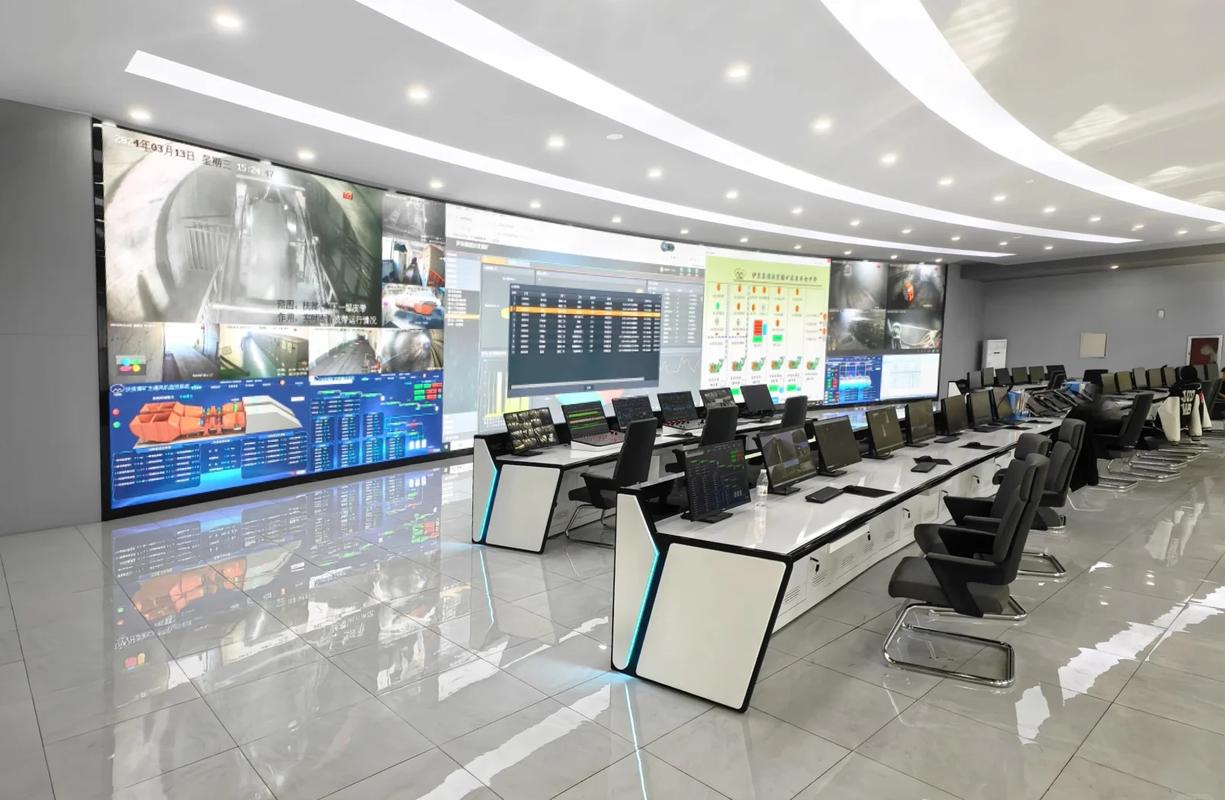
重要な情報を 1 つのビューに集約

調整された制御室では、警報メッセージ、機器の状態、事故発生場所、対応の進行状況を一貫したレイアウトで表示できます。オペレータは、切断されたインターフェイスを繰り返し検索することなく、すぐに対処する必要があるイベントを特定できます。

たとえば、地域的な停電が発生した場合、オペレーターは影響を受ける変電所を比較し、機器のアラームを確認し、保守チームと連絡を取る必要がある場合があります。コンソールのレイアウトがよく整理されていると、これらのタスクが常に見えるようになり、ワークステーション間の不必要な移動が減ります。

チーム間のコミュニケーションを改善する

緊急対応には、多くの場合、時間的プレッシャーの下で複数の部門が対応する必要があります。派遣オペレーターは、正確な指示を共有し、重要な更新を記録し、割り当てられたアクションが完了したかどうかを追跡する必要があります。

統合ディスパッチ環境は、接続された電話システム、無線機器、データ端末、共有ディスプレイを介した通信をサポートできます。明確な機器配置と整理されたケーブル管理も、長時間の操作中に重要なコントロールにアクセスできるようにするのに役立ちます。

単に通信速度を高速化することが目的ではありません。誤解を減らし、適切な情報が適切なタイミングで適切な人に届くようにするためです。

インテリジェントテクノロジーは次の問題を予測できるか?

デジタル監視とデータ分析は、配車センターに新たな機会を生み出しています。オペレーターがあらゆる異常な読み取り値に気づくのを待つ代わりに、接続されたシステムは異常なパターンを特定し、設定されたしきい値または分析モデルに基づいてアラートを発行できます。

たとえば、動作温度の上昇と組み合わされた繰り返しの機器アラームは、故障の発生を示している可能性があります。監視プラットフォームはパターンを強調表示できるため、オペレーターは状況がより深刻になる前に調査できるようになります。

人工知能は、インシデントの分類、情報の検索、業務概要の作成をさらにサポートする可能性があります。ただし、予測は、基礎となるデータが正確で、アラートが理解できる場合にのみ役立ちます。緊急の決定には依然として確立された手順、人間の判断、明確な責任が必要です。

アン派遣センターのインテリジェントコンソールしたがって、スタンドアロンの家具や独立した意思決定システムとしてではなく、調整された運用環境の一部として最適に機能します。

緊急制御室ではどの設計要素が重要ですか?

デジタル システムが進化しても、物理的なワークステーションは引き続き重要です。オペレーターは長時間勤務し、複数のディスプレイを監視し、ほとんど警告なしにインシデントに対応する場合があります。レイアウトが不適切だと、すでに要求の厳しい役割に不必要な肉体的および精神的負担が加わる可能性があります。

設計上の考慮事項 緊急時にそれが重要な理由
画面配置 重要なアラートと運用ビューを常に見える範囲に保ちます
人間工学 長時間勤務でも快適な作業をサポート
機器のアクセシビリティ 通信デバイスやコントロールにアクセスしやすくなります
ケーブル管理 接続を整理し、ワークスペースを整然と保ちます
モジュール式レイアウト 変化する機器やシステム要件への対応を支援
メンテナンスアクセス 設置された機器の検査と保守を簡素化します

これらの考慮事項は、電力網、交通システム、公共の安全施設、工業プラント、および継続的な監視が不可欠なその他の環境全体に当てはまります。

レイアウトは実際の作業手順を反映する必要があります。たとえば、輸送指令室ではルート情報と通信機器が優先される一方、産業用制御室ではプロセスの監視と機器のアラームがより重視される場合があります。

緊急対応が改善したかどうかを測定する

新しいコンソールのレイアウトやデジタル インターフェイスは、外観だけではなく実際の操作方法を通じて評価する必要があります。有用な指標には、アラームの確認に必要な時間、チーム間で受け渡される情報の正確さ、インシデントの割り当てに必要な時間、訓練中に記録された通信エラーの数などが含まれます。

緊急訓練では、日常業務では明らかにならない問題が明らかになる可能性があります。オペレーターが同じアラートを繰り返し見逃したり、重要なコントロールを見つけるのに苦労したりする場合、問題は監視テクノロジー自体ではなく、画面構成、ワークフロー設計、またはトレーニングに関係している可能性があります。

定期的なレビューは、各部門がシステムがイベントの共有ビューを提供しているかどうか、およびプライマリ システムに障害が発生した場合でもバックアップ通信手順にアクセスできるかどうかを理解するのにも役立ちます。

将来の配送センターにおけるコンソール設計の役割

ディスパッチ センターが接続する監視デバイス、通信プラットフォーム、分析ツールが増えるにつれ、ワークステーションの設計も運用ニーズに対応する必要があります。 Tianjin Temery Metal Products Co., Ltd. は、監視コンソール、制御コンソール、ディスパッチ コンソール、ネットワーク キャビネット、およびビデオ ウォール システムを製造しています。天津の製造施設には最新の CNC 加工装置と約 10,000 平方メートルの生産現場があり、金属制御室機器の作業をサポートしています。

業界全体の傾向としては、明確な物理レイアウトと接続された情報システムを組み合わせた制御環境が求められています。テクノロジーは、オペレーターがイベントを特定し、対応を調整するのに役立ちますが、効果的な緊急事態管理は、依然として訓練を受けた要員、信頼性の高い通信、実践的な手順、およびよく組織された作業スペースに依存しています。

最終的には、派遣センターのインテリジェントコンソール情報への迅速なアクセス、より明確な調整、より一貫した意思決定をサポートする設計であれば、緊急対応を向上させることができます。その価値は、画面の数や高度な機能の有無ではなく、一分一秒が重要なときに人々がいかに効果的に対応できるかにあります。

関連ニュース
メッセージを残してください
X
当社は Cookie を使用して、より良いブラウジング体験を提供し、サイトのトラフィックを分析し、コンテンツをパーソナライズします。このサイトを使用すると、Cookie の使用に同意したことになります。 プライバシーポリシー
拒否する受け入れる