日本語
- English
- Español
- Português
- русский
- Français
- 日本語
- Deutsch
- tiếng Việt
- Italiano
- Nederlands
- ภาษาไทย
- Polski
- 한국어
- Svenska
- magyar
- Malay
- বাংলা ভাষার
- Dansk
- Suomi
- हिन्दी
- Pilipino
- Türkçe
- Gaeilge
- العربية
- Indonesia
- Norsk
- تمل
- český
- ελληνικά
- український
- Javanese
- فارسی
- தமிழ்
- తెలుగు
- नेपाली
- Burmese
- български
- ລາວ
- Latine
- Қазақша
- Euskal
- Azərbaycan
- Slovenský jazyk
- Македонски
- Lietuvos
- Eesti Keel
- Română
- Slovenski
- मराठी
- Srpski језик

弱い電流キャビネットはシステム統合をどのように改善しますか?
Article Summary
A weak current cabinet is a critical infrastructure component in intelligent buildings, industrial automation, and information systems. It centralizes low-voltage signal equipment, enhances system stability, and simplifies maintenance while reducing operational risks. This article provides a comprehensive explanation of how a weak current cabinet works, how to select the right configuration, and how it addresses common customer pain points such as cable disorder, interference, scalability issues, and long-term reliability. It also explains how Temery delivers dependable weak current cabinet solutions for diverse application scenarios.

Table of Contents
- Weak Current Cabinet Overview
- Customer Pain Points and Challenges
- Core Functions of a Weak Current Cabinet
- Structural Design and Components
- How to Choose the Right Weak Current Cabinet
- Configuration Comparison Table
- Installation and Management Considerations
- Typical Application Scenarios
- Frequently Asked Questions
- Conclusion and Contact Us
Weak Current Cabinet Overview
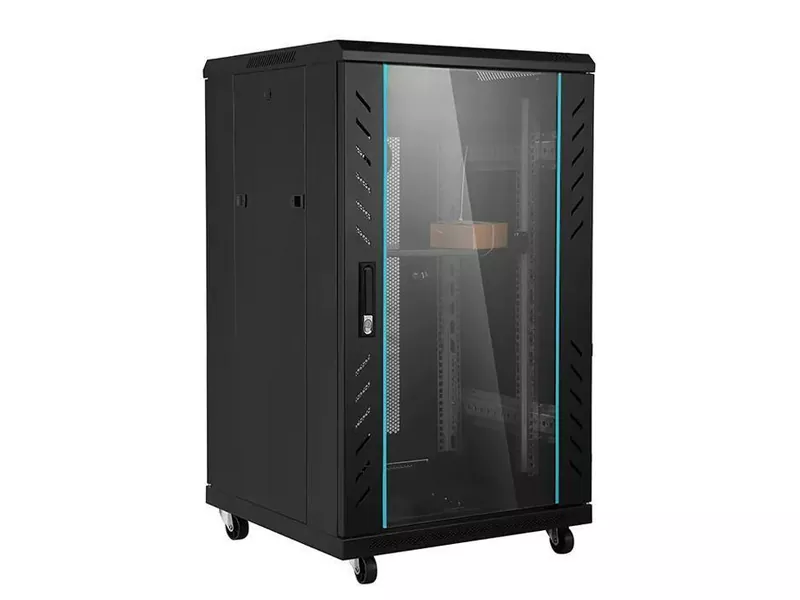
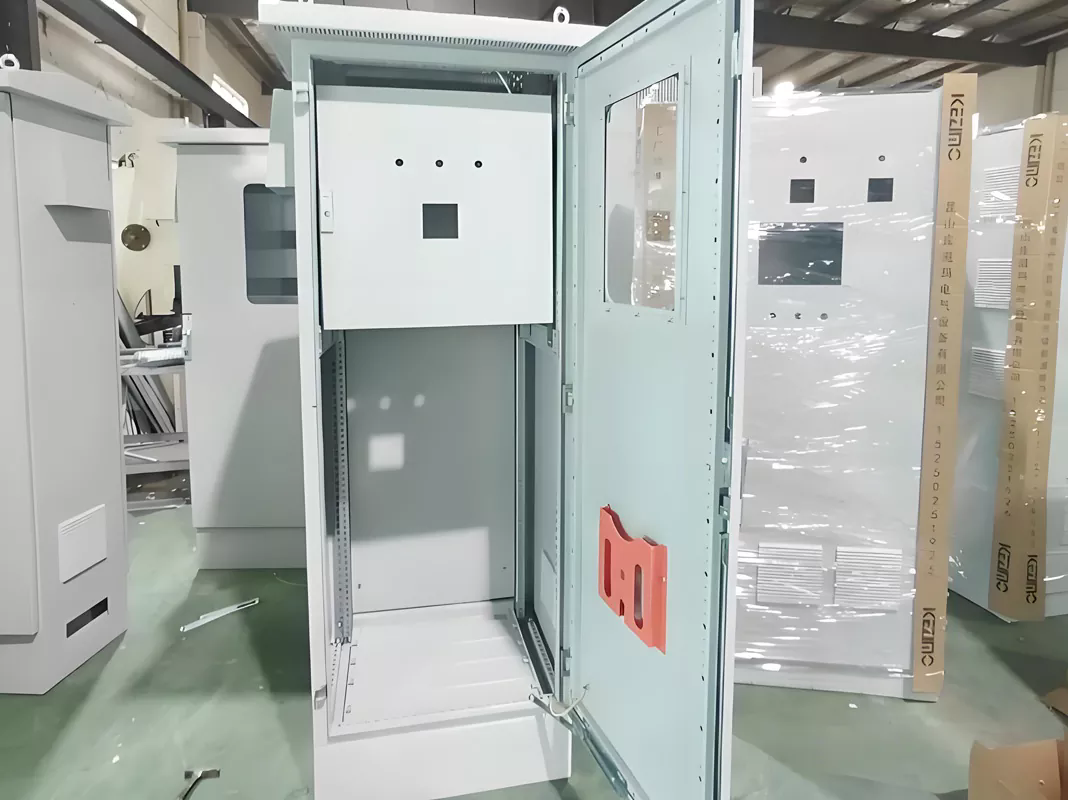
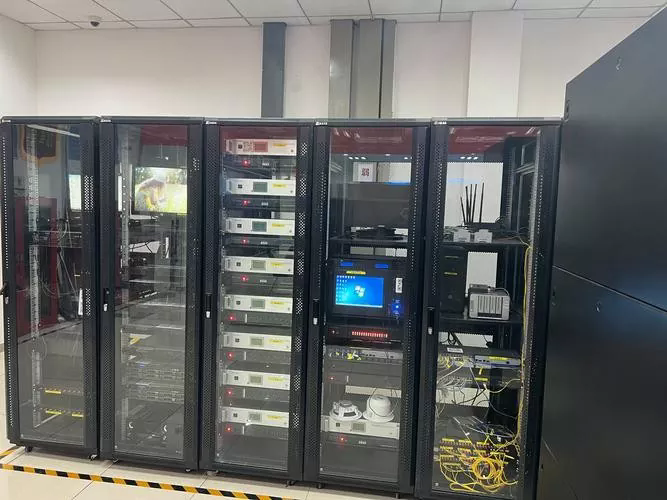
A weak current cabinet is designed to house and manage low-voltage electrical systems such as communication networks, security systems, building automation controls, and data transmission equipment. Unlike power distribution cabinets that handle high voltage and high current, weak current cabinets focus on signal stability, electromagnetic compatibility, and organized cable management.
As intelligent systems become more complex, the role of the weak current cabinet has expanded from simple enclosure protection to integrated system coordination. Temery develops weak current cabinets that support modular expansion, standardized wiring, and long-term operational stability.
Customer Pain Points and Challenges
Many system integrators and facility managers encounter recurring problems when weak current systems lack proper cabinet design and planning.
- Disorganized cabling leading to maintenance difficulties
- Signal interference caused by poor electromagnetic shielding
- Limited space for system expansion
- Inconsistent equipment protection and overheating risks
- Unclear labeling and poor access control
A well-designed weak current cabinet directly addresses these issues by creating a controlled, standardized, and scalable environment for low-voltage equipment.
Core Functions of a Weak Current Cabinet
The primary purpose of a weak current cabinet is not just storage, but functional system optimization.
- Centralized management of weak current devices
- Improved signal integrity and reduced interference
- Enhanced safety through isolation and grounding
- Simplified troubleshooting and routine maintenance
- Support for future system upgrades
These functions contribute to higher system uptime and lower lifecycle management costs.
Structural Design and Components
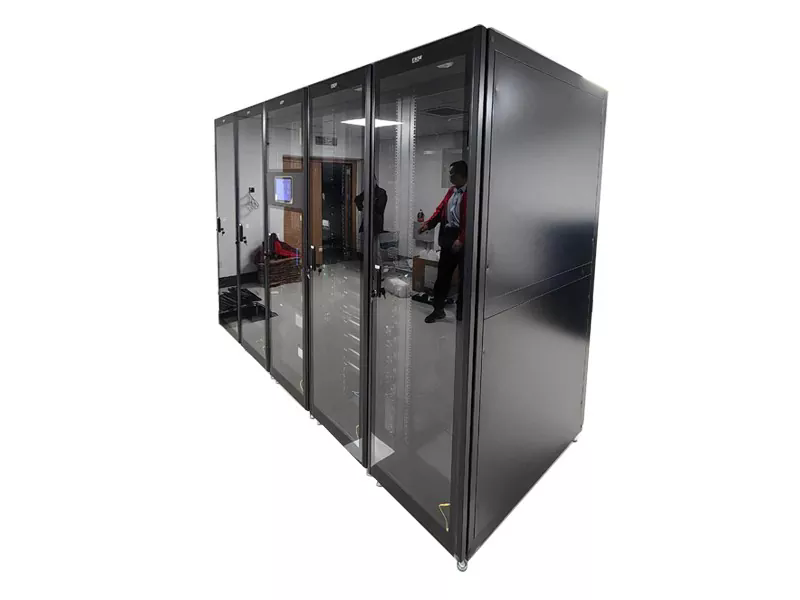
The structure of a weak current cabinet is engineered to balance protection, accessibility, and ventilation.
- Cabinet enclosure with anti-corrosion surface treatment
- Standardized mounting rails and modular panels
- Cable management channels and labeling systems
- Ventilation openings or intelligent cooling options
- Grounding and shielding components
Temery emphasizes precision manufacturing and standardized dimensions to ensure compatibility with a wide range of weak current equipment.
How to Choose the Right Weak Current Cabinet
Selecting a weak current cabinet requires a systematic evaluation of both current requirements and long-term planning.
- Number and type of weak current systems to be integrated
- Installation environment and space constraints
- Heat dissipation and ventilation needs
- Access control and security requirements
- Scalability for future system expansion
By aligning cabinet specifications with system architecture, users can avoid costly redesigns and operational disruptions.
Configuration Comparison Table
| Cabinet Type | Capacity | Key Features | Recommended Use |
|---|---|---|---|
| Wall-Mounted | Small | Compact, space-saving | Small offices, retail spaces |
| Floor-Standing | Medium to Large | Expandable, high load capacity | Commercial buildings |
| Modular | Flexible | Scalable, easy reconfiguration | Data centers, smart campuses |
Installation and Management Considerations
Proper installation is essential to ensure the full performance of a weak current cabinet.
- Maintain adequate clearance for ventilation
- Separate signal cables from power cables
- Ensure reliable grounding connections
- Implement clear labeling and documentation
- Schedule regular inspections and cleaning
These practices reduce failure risks and extend equipment service life.
Typical Application Scenarios
Weak current cabinets are widely deployed across multiple industries and environments.
- Intelligent office buildings
- Hospitals and healthcare facilities
- Educational campuses
- Industrial automation systems
- Transportation and public infrastructure
Frequently Asked Questions
What systems are typically installed in a weak current cabinet?
Common systems include network switches, access control controllers, monitoring devices, and building automation modules.
How does a weak current cabinet reduce interference?
Through proper shielding, grounding, and organized cable routing, signal disruption is minimized.
Can weak current cabinets be customized?
Yes. Custom dimensions, internal layouts, and functional modules are often required for complex projects.
Is expansion possible after installation?
A modular weak current cabinet design allows for future expansion with minimal disruption.
Conclusion and Contact Us
A weak current cabinet is a foundational element for reliable, scalable, and well-managed low-voltage systems. By addressing cable organization, system protection, and long-term expansion needs, it significantly improves overall system integration and operational efficiency. Choosing the right cabinet solution directly impacts project success and lifecycle performance.
Temery provides professionally engineered weak current cabinet solutions tailored to modern infrastructure demands. If you are planning a new project or upgrading an existing system, contact us today to discuss your requirements and discover how Temery can support your weak current system with dependable, high-quality cabinet solutions.
関連ニュース
メッセージを残してください